Tracing paper is a versatile medium that artists and designers love. Its translucent quality allows for easy layering and tracing, making it ideal for various projects. Understanding how to print on tracing paper can elevate your creative work significantly.
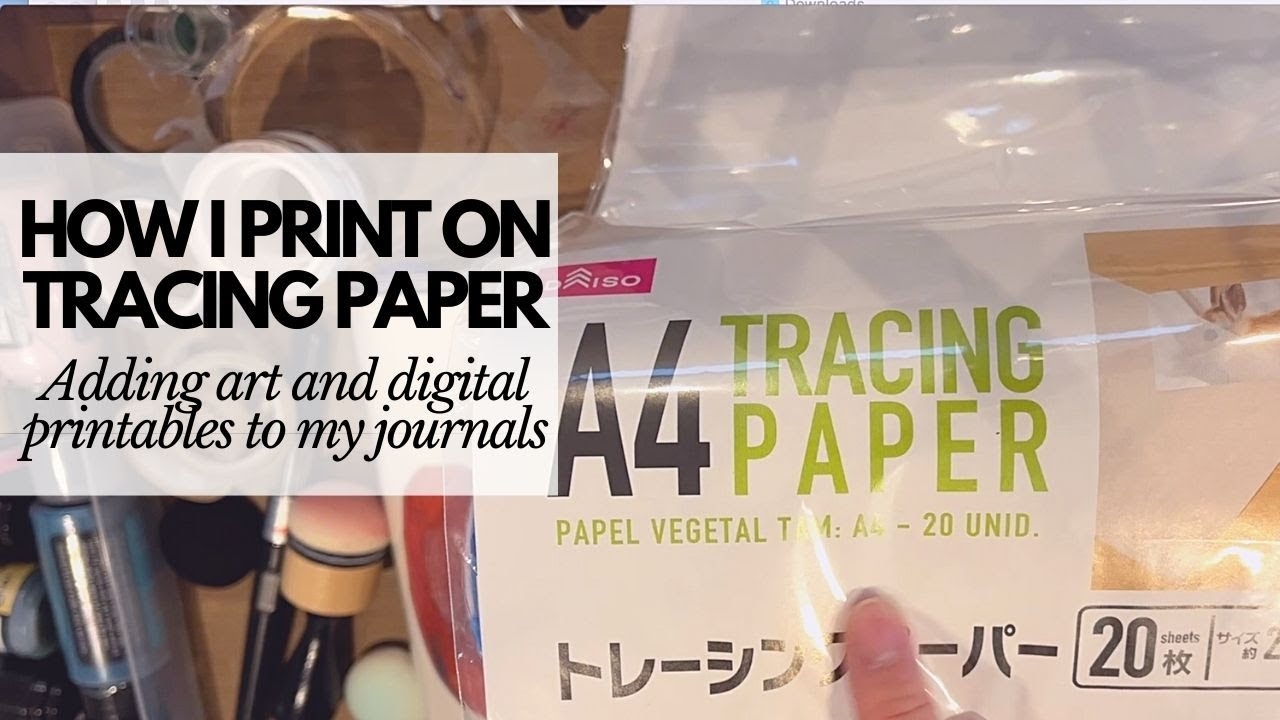
Printing On Tracing Paper
Printing On Tracing Paper
When printing on tracing paper, it’s essential to choose the right printer settings. Most inkjet printers work well, but adjusting the paper type setting to “transparency” or “fine art” can improve print quality. This ensures the ink adheres properly.
Another crucial factor is selecting the right tracing paper. Not all tracing papers are created equal; some are thicker and more suitable for printing. Look for papers specifically designed for inkjet printing to avoid smudging or bleeding.
Before printing your final design, always do a test print. This step helps you check for any issues with alignment or color saturation. A small test can save you time and materials in the long run.
After printing, allow your design to dry completely before handling it. This prevents smudging and ensures that your artwork maintains its integrity. Proper care will keep your printed designs looking fresh and vibrant.
Exploring printing on tracing paper opens up new creative possibilities. With the right techniques and materials, you can create beautiful, layered designs that stand out in any project. Enjoy experimenting with this unique medium!
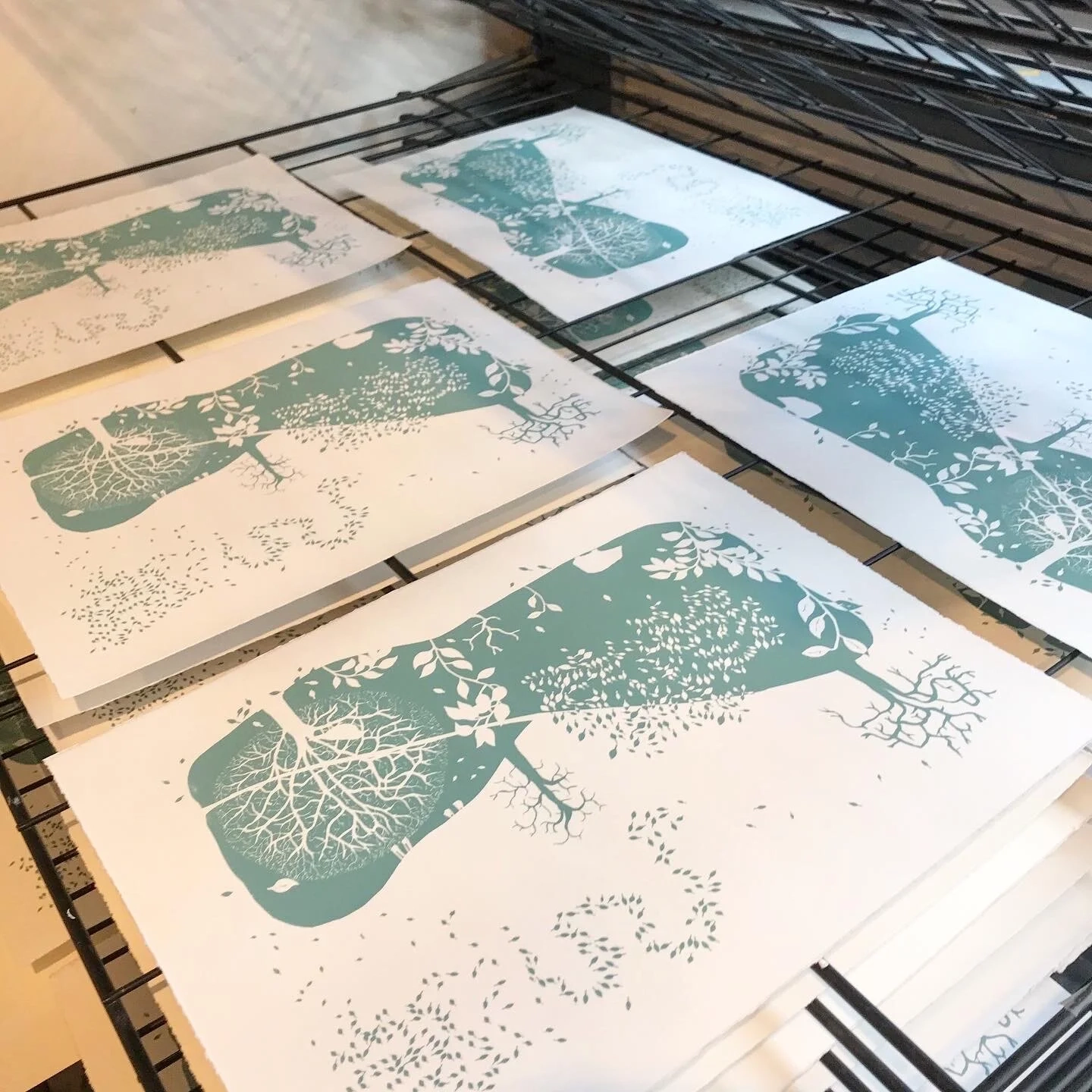
Screen Printing Process Folded Forest
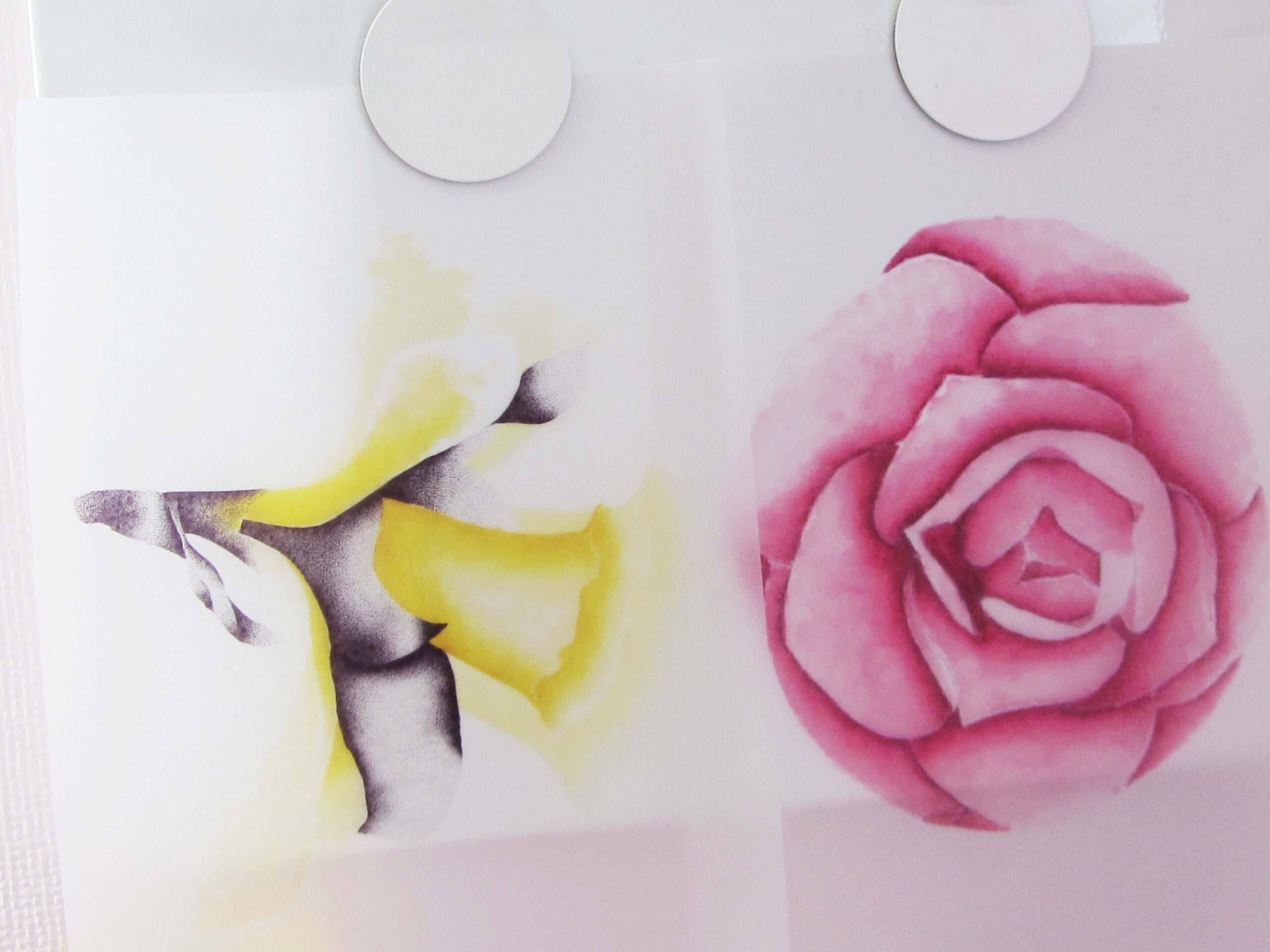
Printing Onto Tracing Paper Charlotte Rebecca Sleigh
How To Print On Tracing Paper
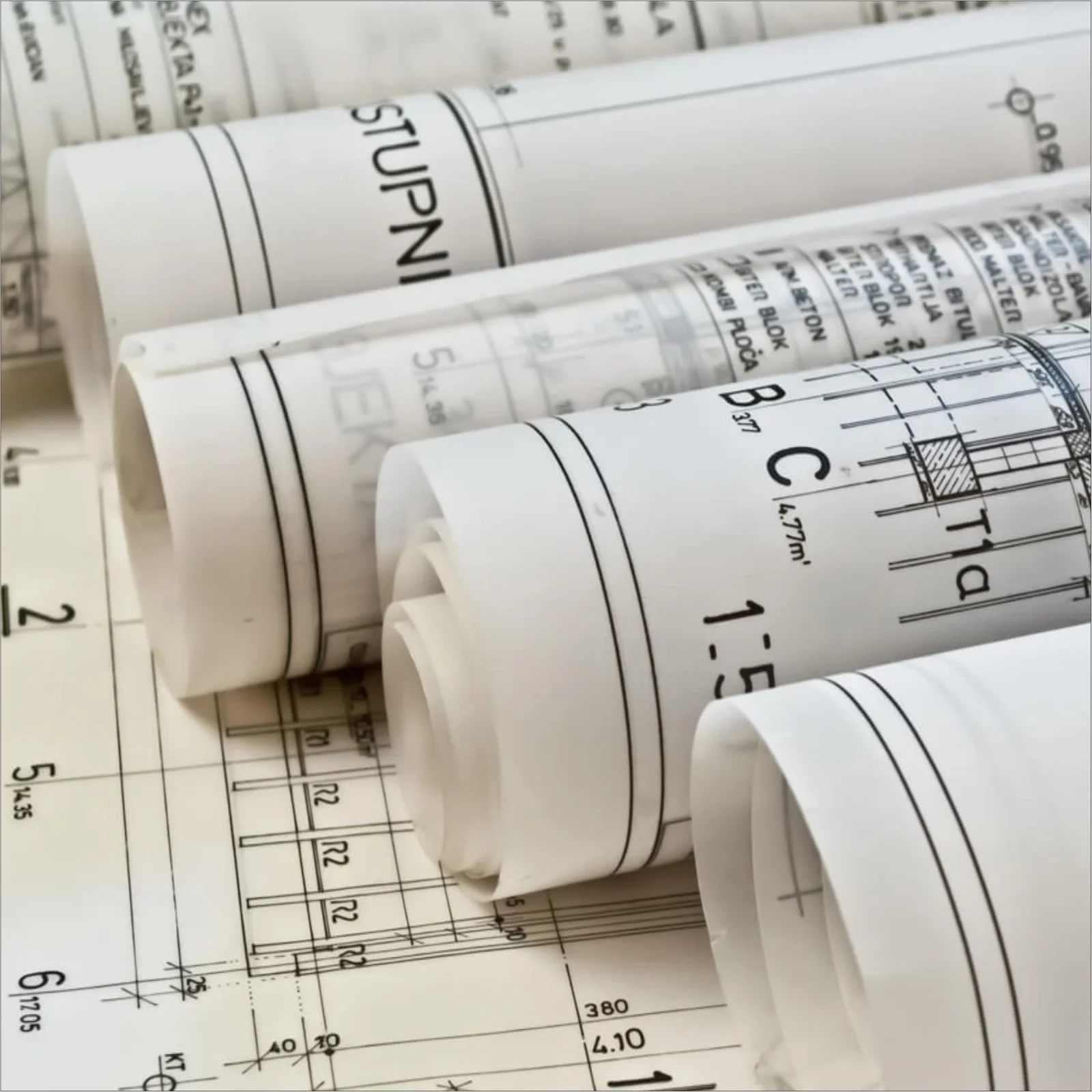
Tracing Paper Print Shivam Graphics Goregaon
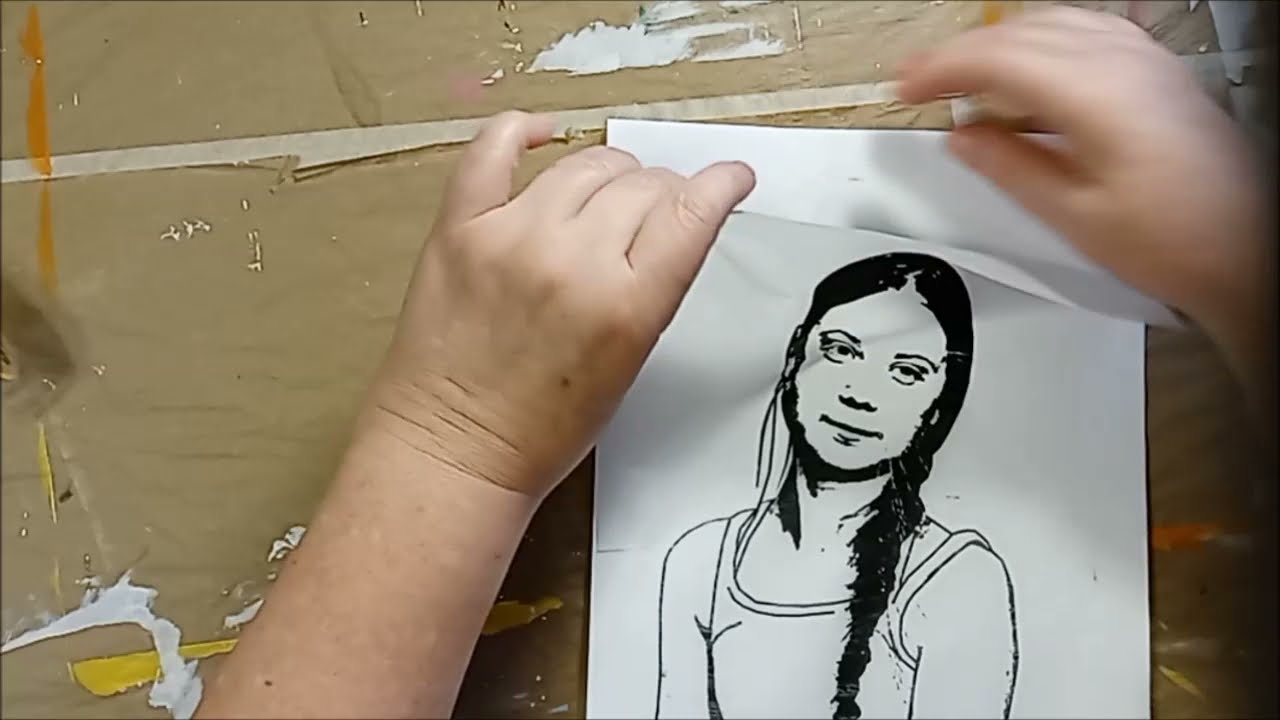
Printing On Tracing Paper