Sewing enthusiasts often face the challenge of transferring patterns onto fabric accurately. One essential tool that can simplify this process is sewing pattern tracing paper. It allows for precise replication of designs without damaging the original pattern.
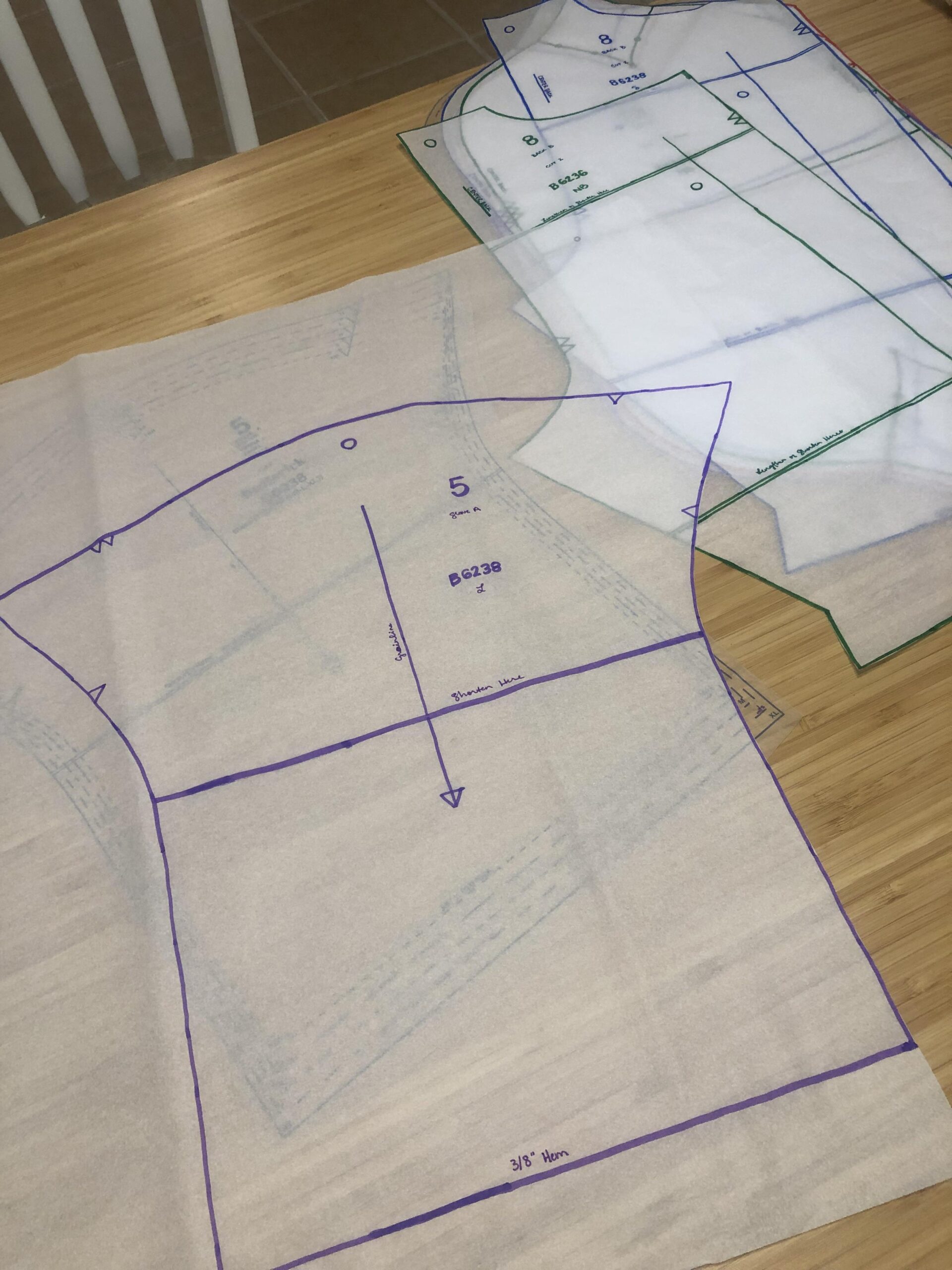
Sewing Pattern Tracing Paper
Sewing Pattern Tracing Paper
Sewing pattern tracing paper comes in various weights and types, catering to different needs. Lightweight options are ideal for delicate fabrics, while heavier papers provide more stability for intricate designs. Choosing the right type can make all the difference.
To use tracing paper effectively, place it over your original pattern and secure it with weights or pins. Use a pencil or fabric marker to trace the lines carefully. This method ensures you capture every detail without altering the original pattern.
Another advantage of tracing paper is its reusability. After completing a project, you can store your traced patterns for future use. This not only saves money but also helps in building a personal library of custom designs.
Incorporating sewing pattern tracing paper into your sewing routine can elevate your projects significantly. With its ease of use and versatility, you’ll wonder how you ever sewed without it!
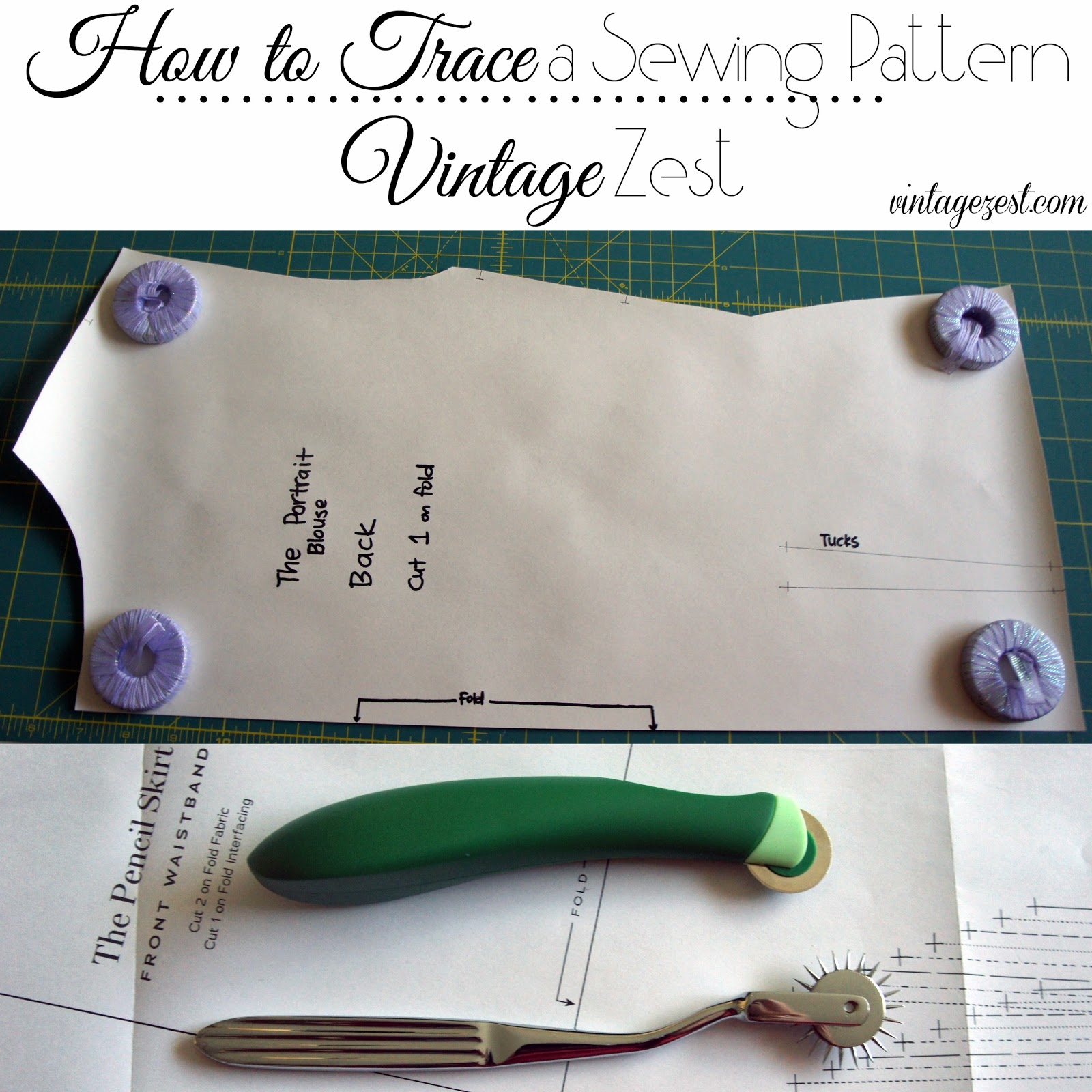
Diane s Vintage Zest Tutorial How To Trace A Sewing Pattern
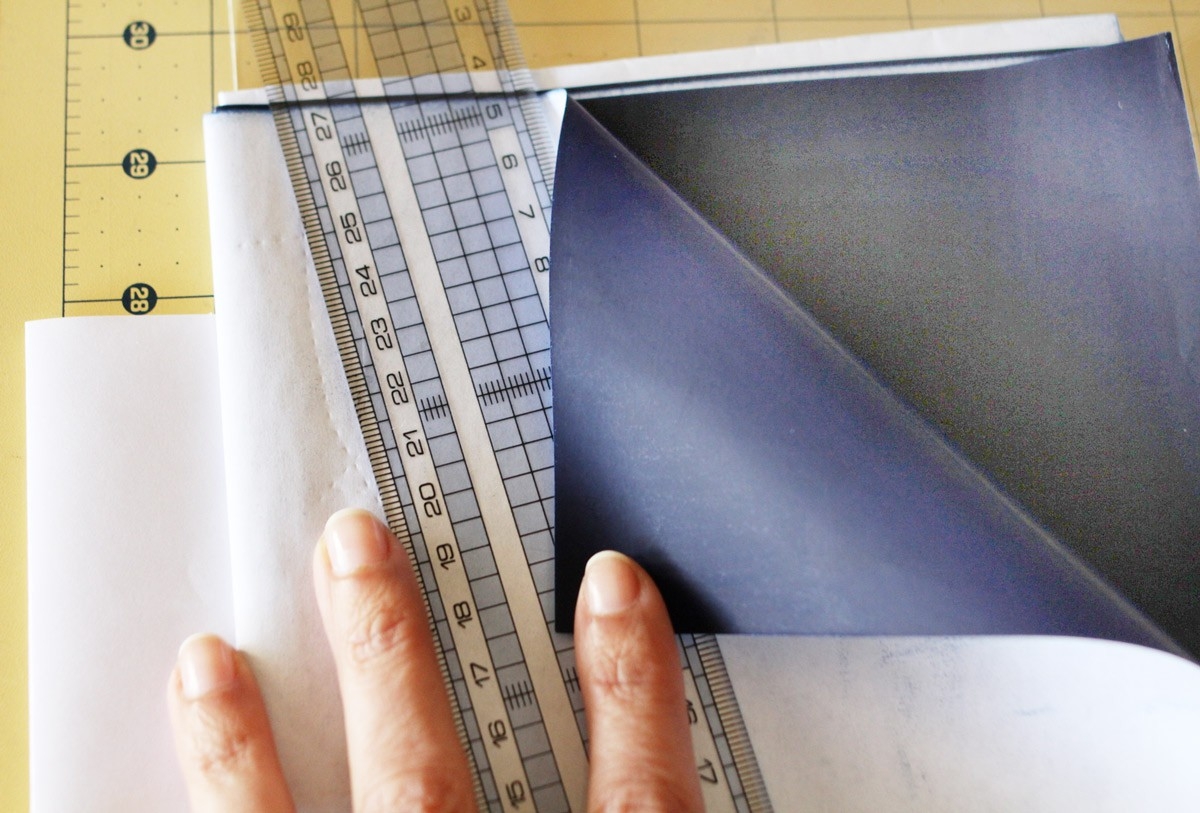
How To Preserve A Pattern Carbon Tracing Paper Blog Oliver S
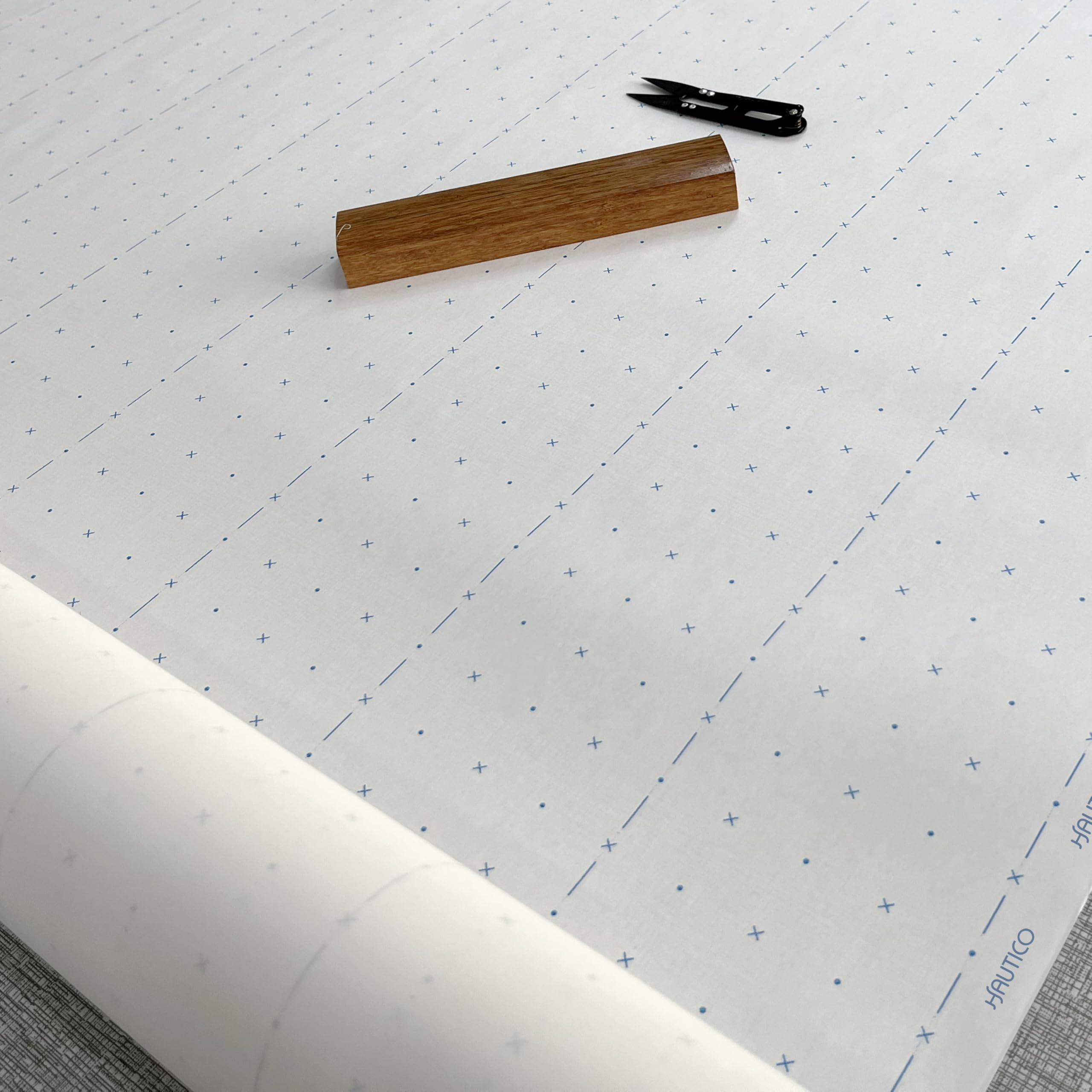
Amazon Pattern Paper For Sewing Tracing Paper For Pattern
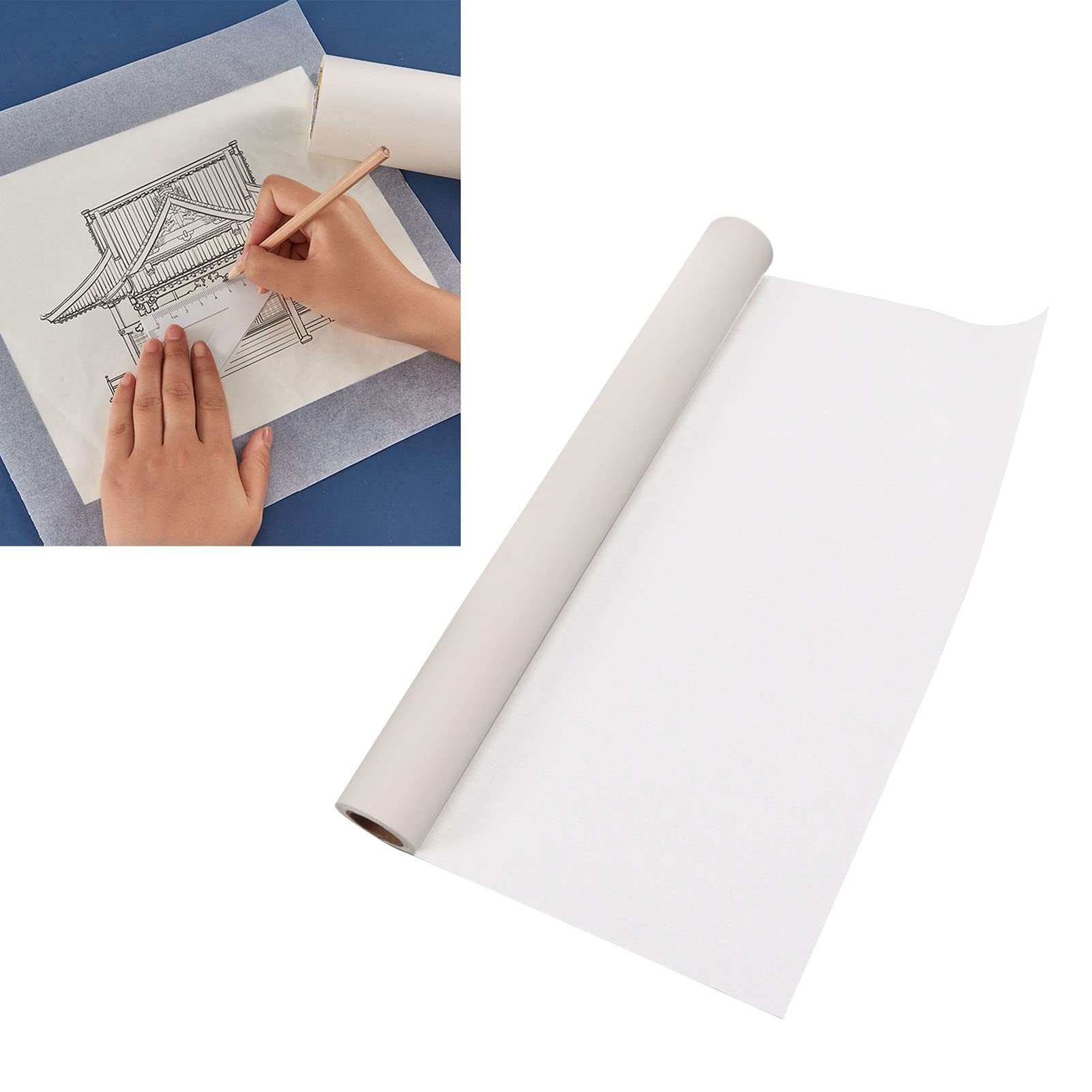
Sewing Pattern Paper Sewing Pattern Paper High Transparency 18in
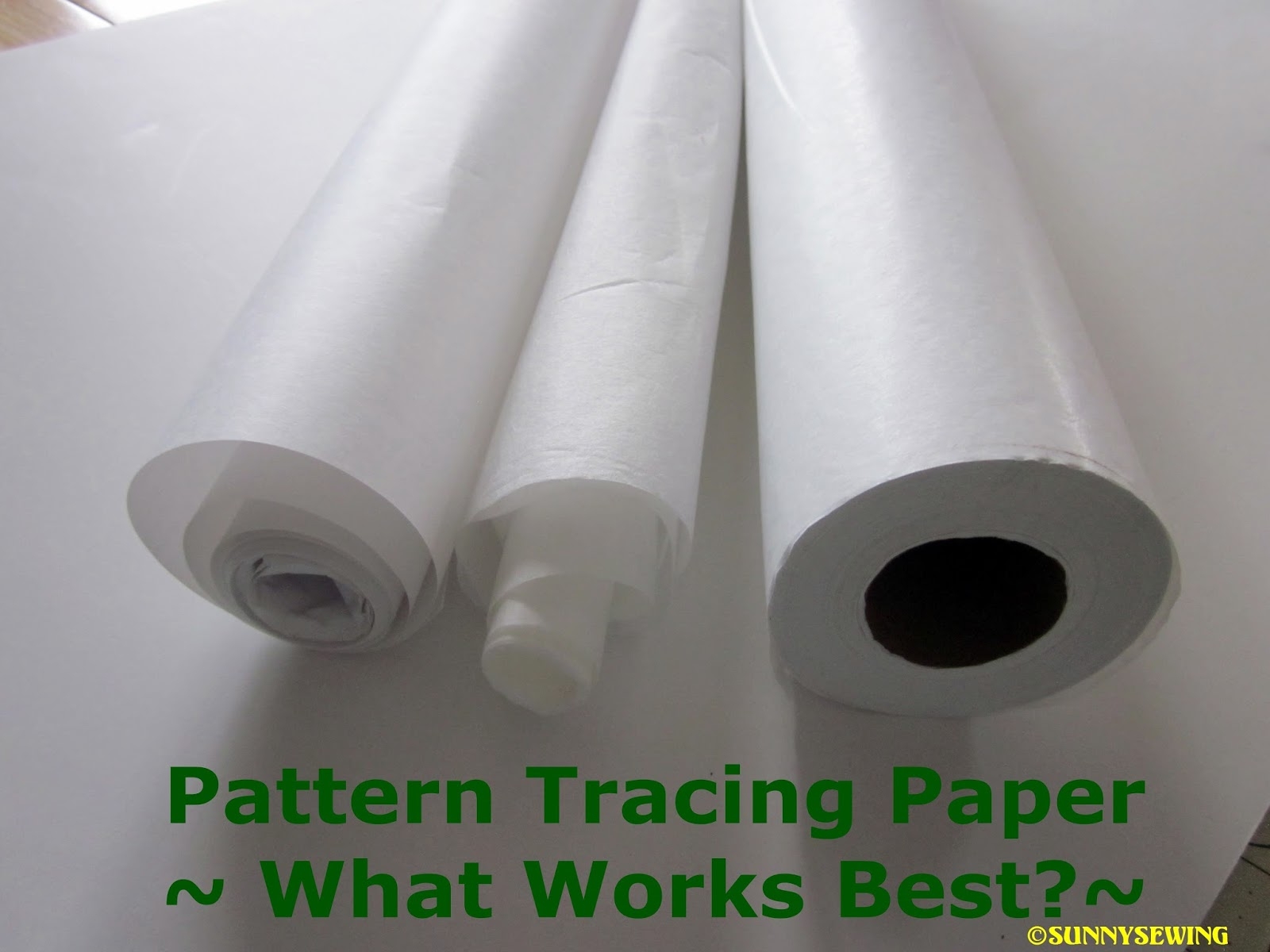
Pattern Tracing Paper What Works Best SunnySewing By Kristin