Embroidery enthusiasts often seek tools that enhance their creativity and precision. One such essential tool is embroidery tracing paper, which simplifies the process of transferring designs onto fabric. This paper is a game-changer for both beginners and seasoned crafters.
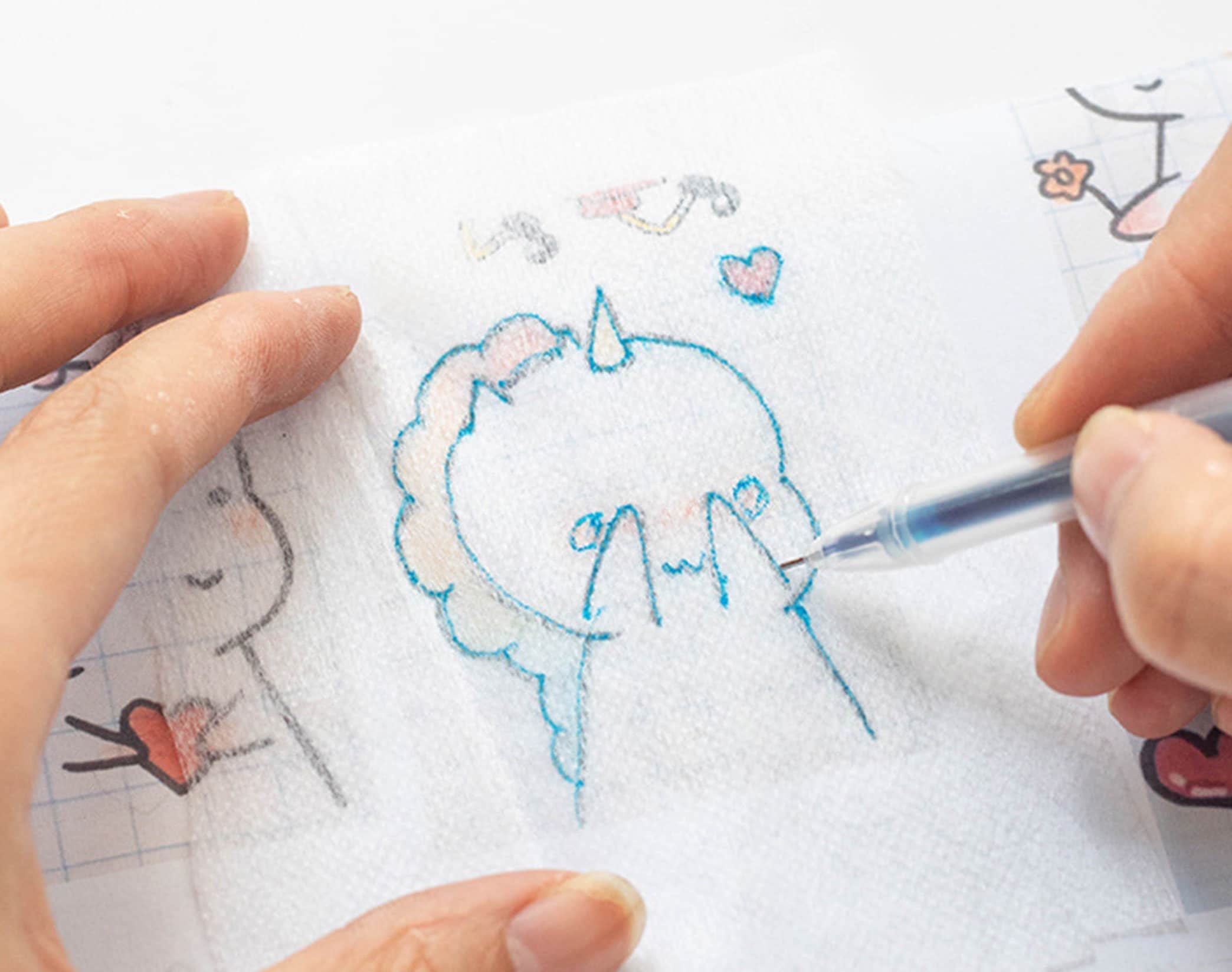
Embroidery Tracing Paper
Embroidery Tracing Paper
Embroidery tracing paper comes in various types, including waxed and non-waxed options. Waxed paper is great for transferring designs onto fabric, while non-waxed varieties are perfect for sketching and planning. Choosing the right type can elevate your embroidery projects.
To use embroidery tracing paper effectively, start by placing it over your design. Use a pencil or fabric marker to trace the outlines. Once done, position the traced design on your fabric and secure it with pins before stitching.
Many crafters appreciate how embroidery tracing paper can save time and reduce errors. It allows for easy adjustments before committing to the final stitch. This flexibility is invaluable when working on complex designs.
In conclusion, incorporating embroidery tracing paper into your crafting toolkit can significantly enhance your embroidery experience. It offers precision and ease, making it a must-have for anyone passionate about needlework.
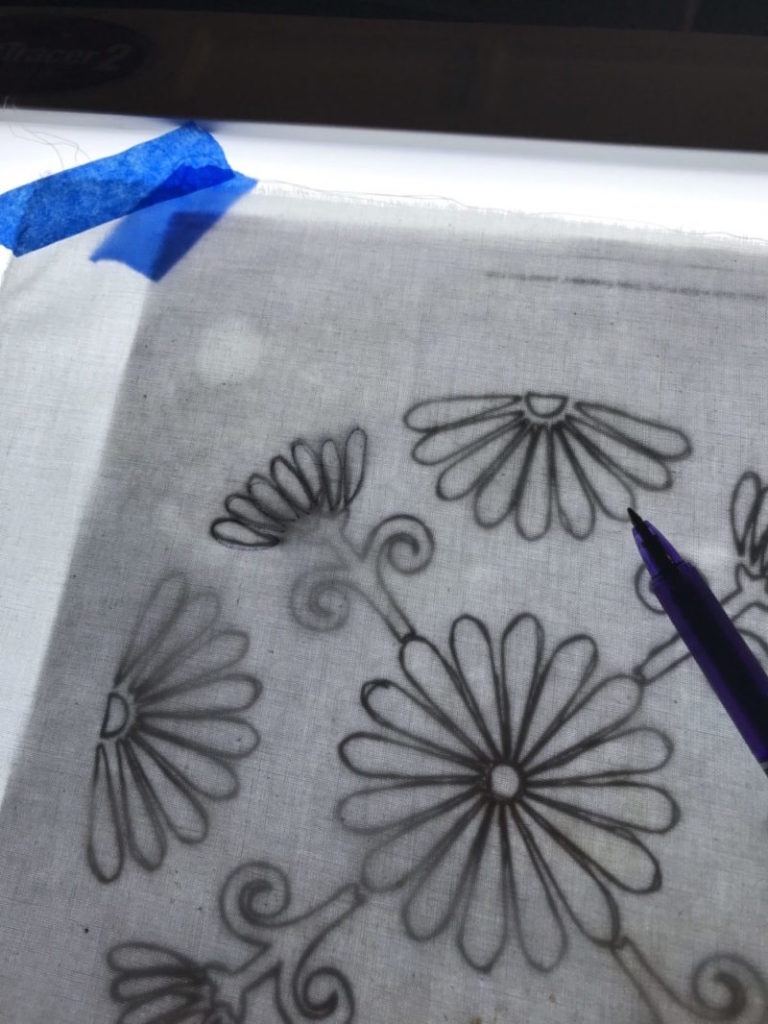
9 Ways To Transfer Embroidery Pattern To Fabric Create Whimsy
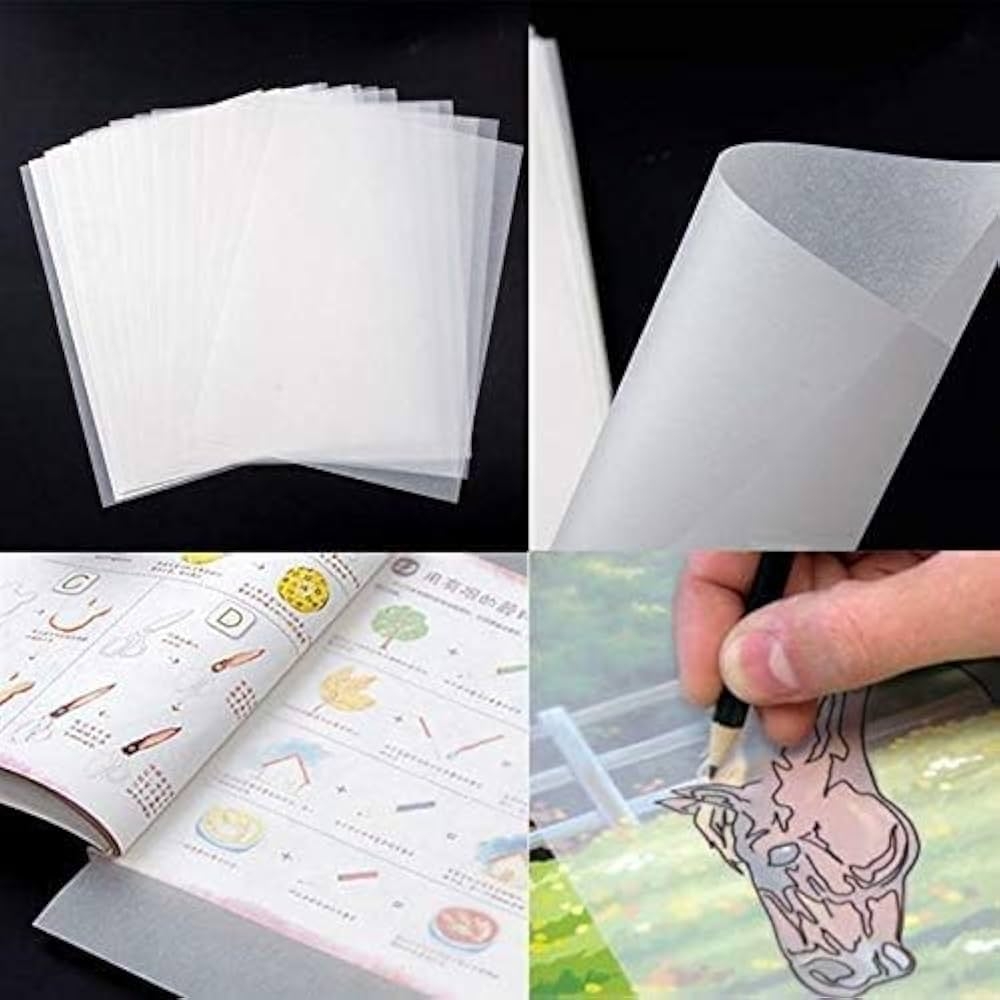
ARETOR Tracing Paper For Aari Work Size A4 30X21 Cm Pack Of 20
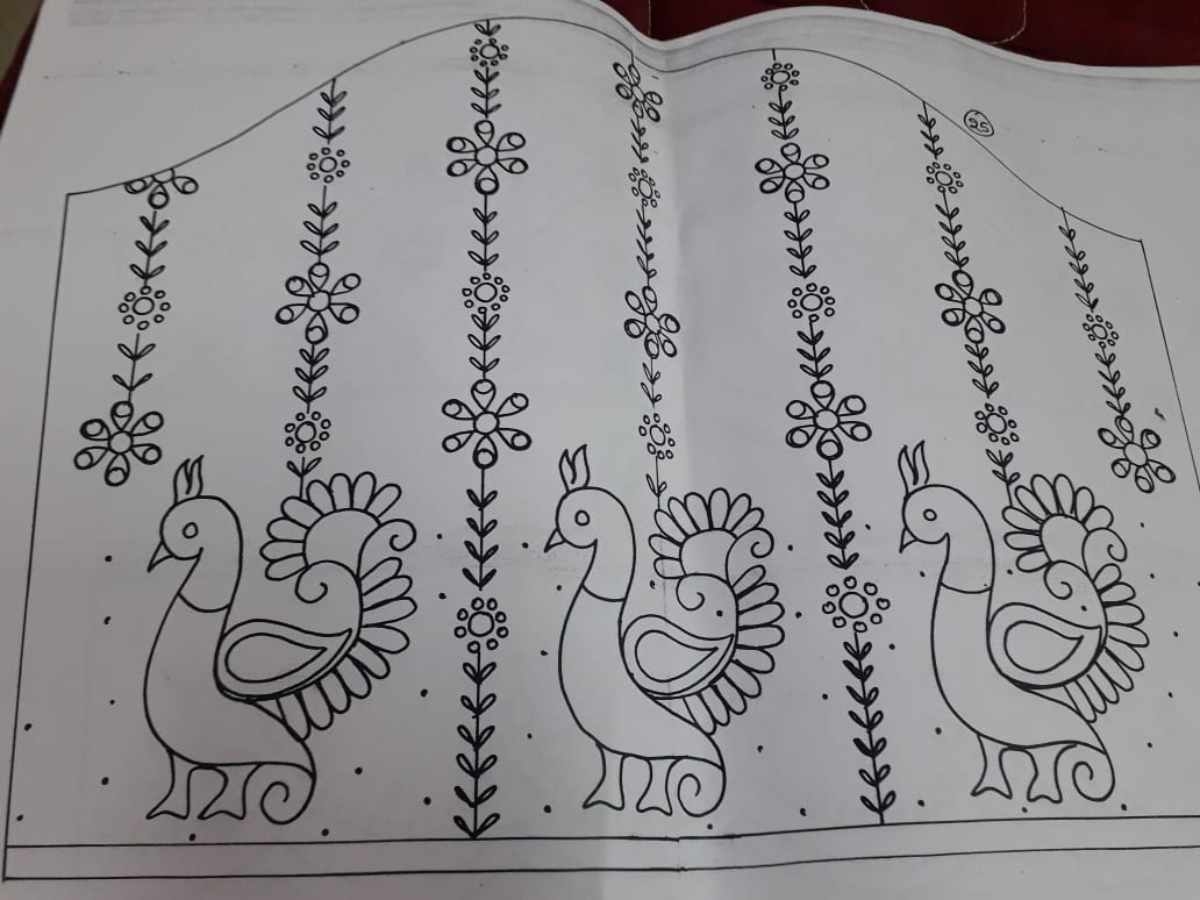
Tracing Paper For Embroidery Archives Aari Embroidery Institute
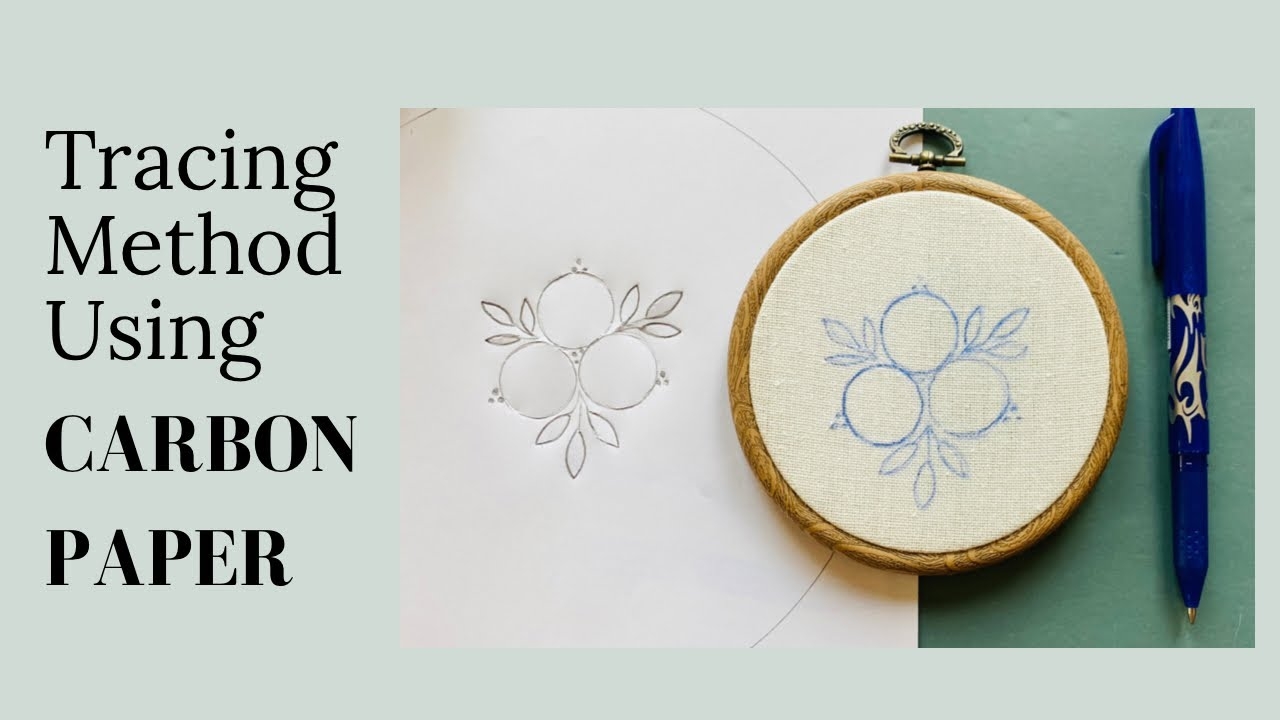
Tracing Method Using Carbon Paper Easy Method Embroidery By Afeei
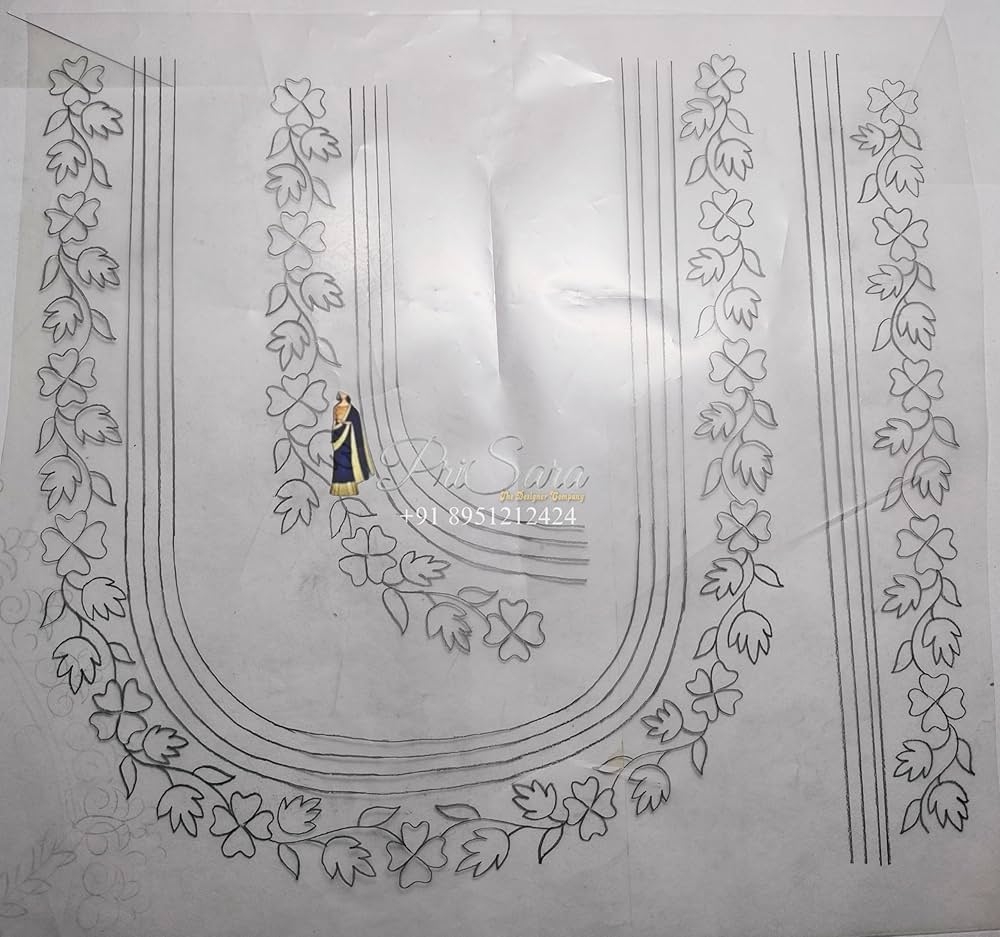
PriSara Aari Embroidery Original Tracing Paper With 1000 3000 Range Designs Pack Of 10 Amazon in Home amp Kitchen